DIGITAL DENTISTRY / PRIMESCAN + TRIOS 5
Less impression material. A more connected treatment journey.
Sinchon Dain uses Primescan and TRIOS 5 intraoral scanners to capture digital impressions of your teeth. For many treatments, this replaces the traditional tray-and-putty impression and connects the scan to restoration planning and production.
Content updated: 18 October 2026
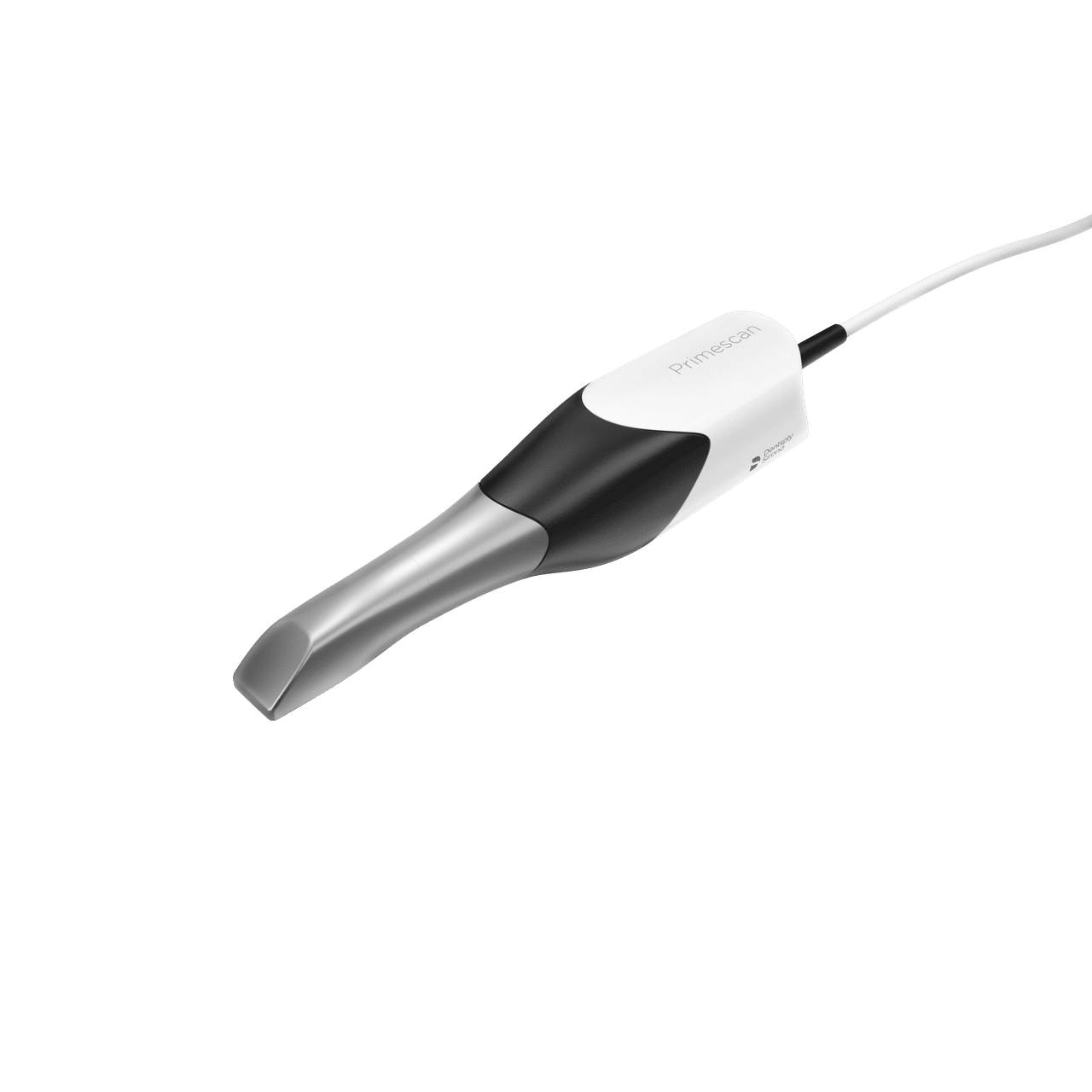
Primescan
Captures a 3D digital impression for restorative planning and communication with the dental lab.
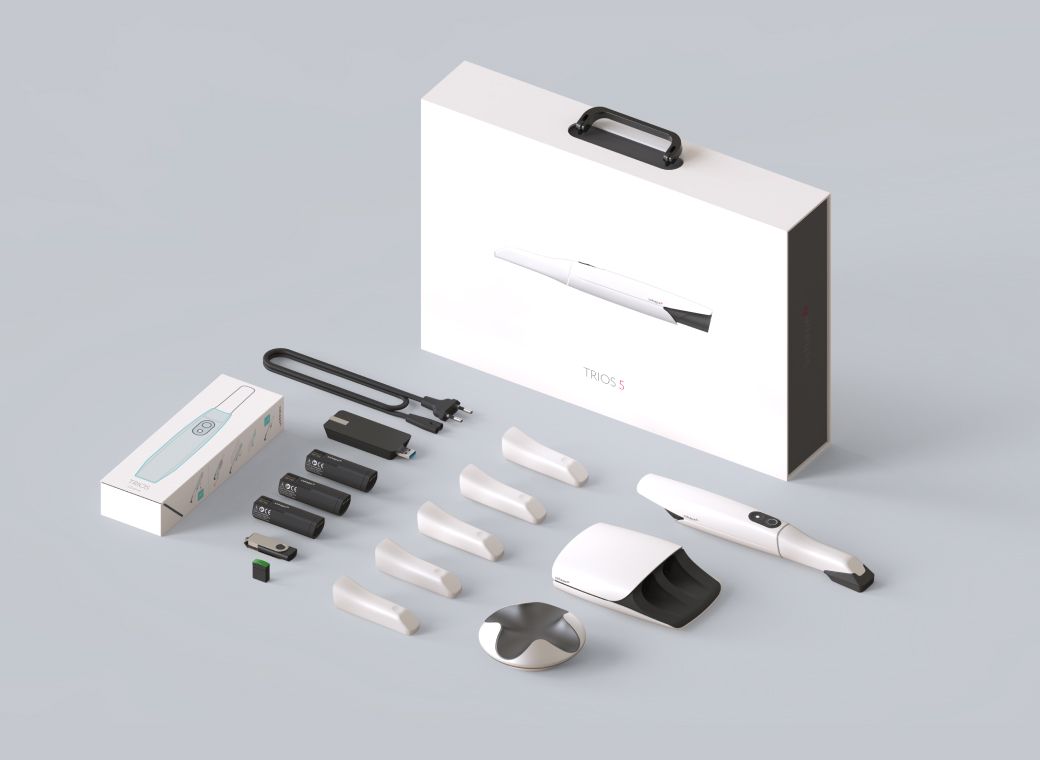
TRIOS 5
A wireless intraoral scanner with ScanAssist technology that supports digital impression capture and treatment discussion.
What changes for you?
Less traditional impression taking
Instead of holding a tray filled with impression material, a small scanner records the surfaces of the teeth. This can make the impression stage easier for patients who dislike the material or experience gagging.
Check the scan during the visit
The team can inspect the 3D model on screen. If an area is missing, it can often be scanned again locally, helping reduce avoidable repeat impressions.
Connect the clinic and dental lab
Digital records can be passed directly into the design workflow. Sinchon Dain’s in-house lab supports communication about shape, shade and fit, reducing transport steps involved in sending physical impressions elsewhere.
From scan to restoration
- Examination & digital scan
- Restoration design
- Fabrication in the lab
- Fit, bite & final checks
Where can the workflow save time?
Digital impressions can reduce impression-material handling, model transport and some repeat recording steps. For suitable restorative cases, combining digital design with in-house fabrication may reduce waiting between appointments.
The appointment plan still depends on the tooth condition, material, number of restorations and required checks. Ask whether a shorter schedule is realistic for your crown, veneer or inlay before confirming travel dates.
Digital scans do not replace all examinations or imaging. Implant planning may also require 3D CT, and implants still need time to heal. Conventional impressions or additional records may be needed for some cases.
Useful questions before you travel
- Can my planned treatment use a digital impression?
- Which steps can be completed during this stay?
- Will I need a temporary restoration or a later fitting visit?
- How will fit, bite and follow-up be checked before and after I return home?
Tell our dedicated in-house professional interpreting team your preferred language and travel dates. Ask for a plan that separates surgery, interim care and the final restoration.
Digital dentistry: common questions
Will I still need a conventional dental impression?
Many treatments can use digital impressions instead of tray-and-putty impressions. Depending on the treatment and clinical findings, a conventional impression or additional record may still be needed.
Is an intraoral scan the same as a CT scan?
No. An intraoral scanner records visible surfaces of the teeth and gums. CT provides different information about bone and internal structures and may be needed for implant planning.
Does digital dentistry mean every crown is made in one day?
No. Suitable cases may have a shorter fabrication and appointment schedule, but material, tooth condition, treatment extent and final checks determine the timing. Confirm your individual plan with the hospital.
Discuss your treatment
Our dedicated professional interpreting team is based in the hospital. Tell us your preferred language and travel dates when you contact us.
Further reading
Hospital service information and professional guidance used for this patient guide.